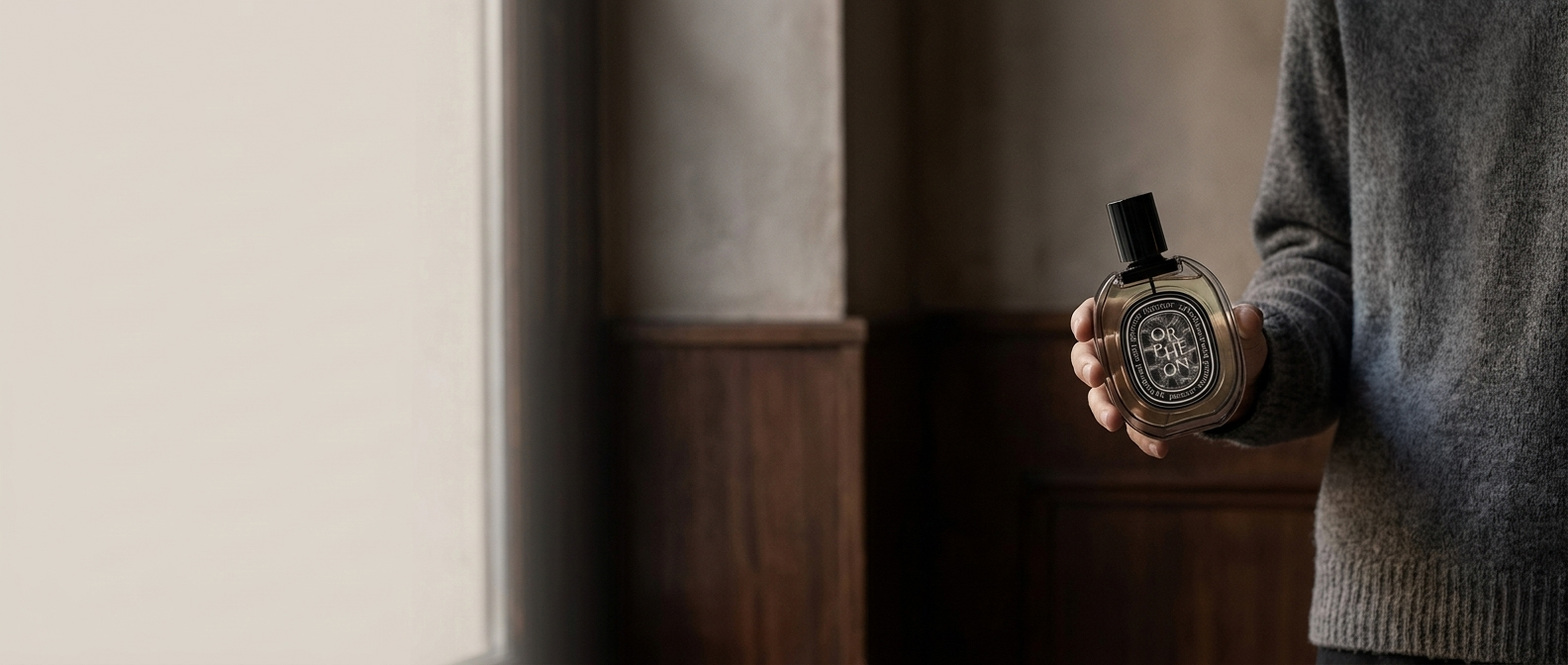
Summer does not require a more aggressive cleanser. It requires a better-calibrated one.
By the end of a hot day, skin may be carrying several layers of sunscreen alongside sweat, sebum, makeup and whatever the city has contributed. Research on short-term exposure to hot summer environments has found increases in sweat, sebum secretion and transepidermal water loss—a combination that can make skin feel both oilier and less comfortable. The temptation is to reach for the cleanser that foams the most and leaves behind that unmistakable squeak. We do not consider squeaky skin proof of a better cleanse. Often, it is simply evidence that the formula has removed too much.
Our standard for a summer cleanser is straightforward: it should thoroughly lift the day’s accumulation, rinse without a persistent film and leave skin comfortable enough for whatever comes next. The surfactant system should be effective without being unnecessarily aggressive; a skin-compatible pH is preferable; and the formula should have enough slip to discourage tugging or scrubbing. We also look at whether the supporting ingredients have a logical role in a rinse-off product—ingredients that help dissolve sunscreen, humectants that improve after-feel, or amino acids and proteins that condition the skin.
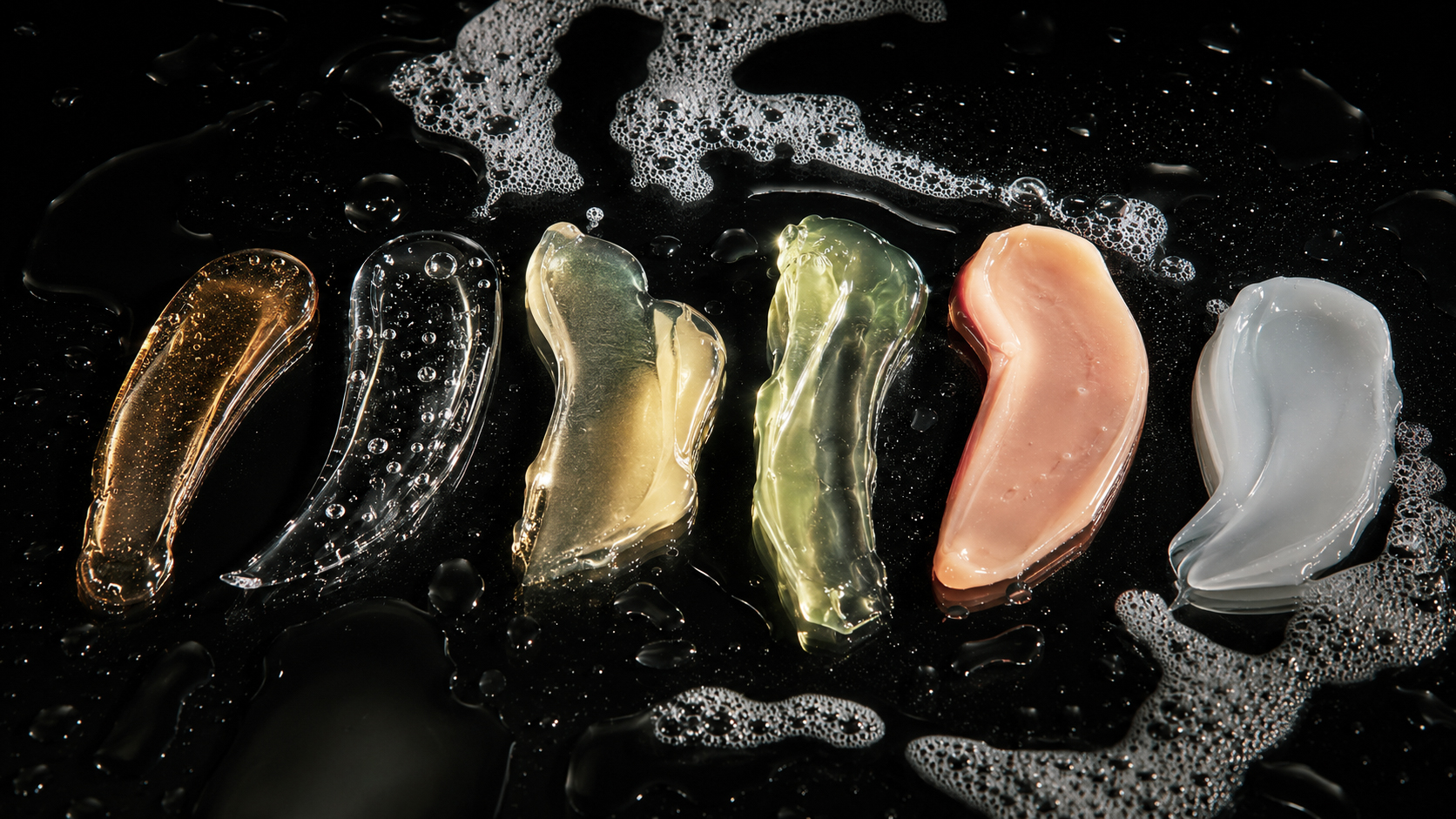
This criteria explains why most of our selection is dominated by gel cleansers. A well-formulated gel spreads quickly, can hold a nuanced blend of surfactants and humectants, and tends to rinse cleanly compared to a rich milk or balm. It also feels lighter and more refreshing in heat and humidity. But texture alone tells us very little: a gel can be exceptionally gentle or surprisingly stripping. What matters is the complete formula, particularly the cleansing agents, pH, emollients and humectants that determine how skin feels once the water is off.
And that’s what makes these selections stand out.
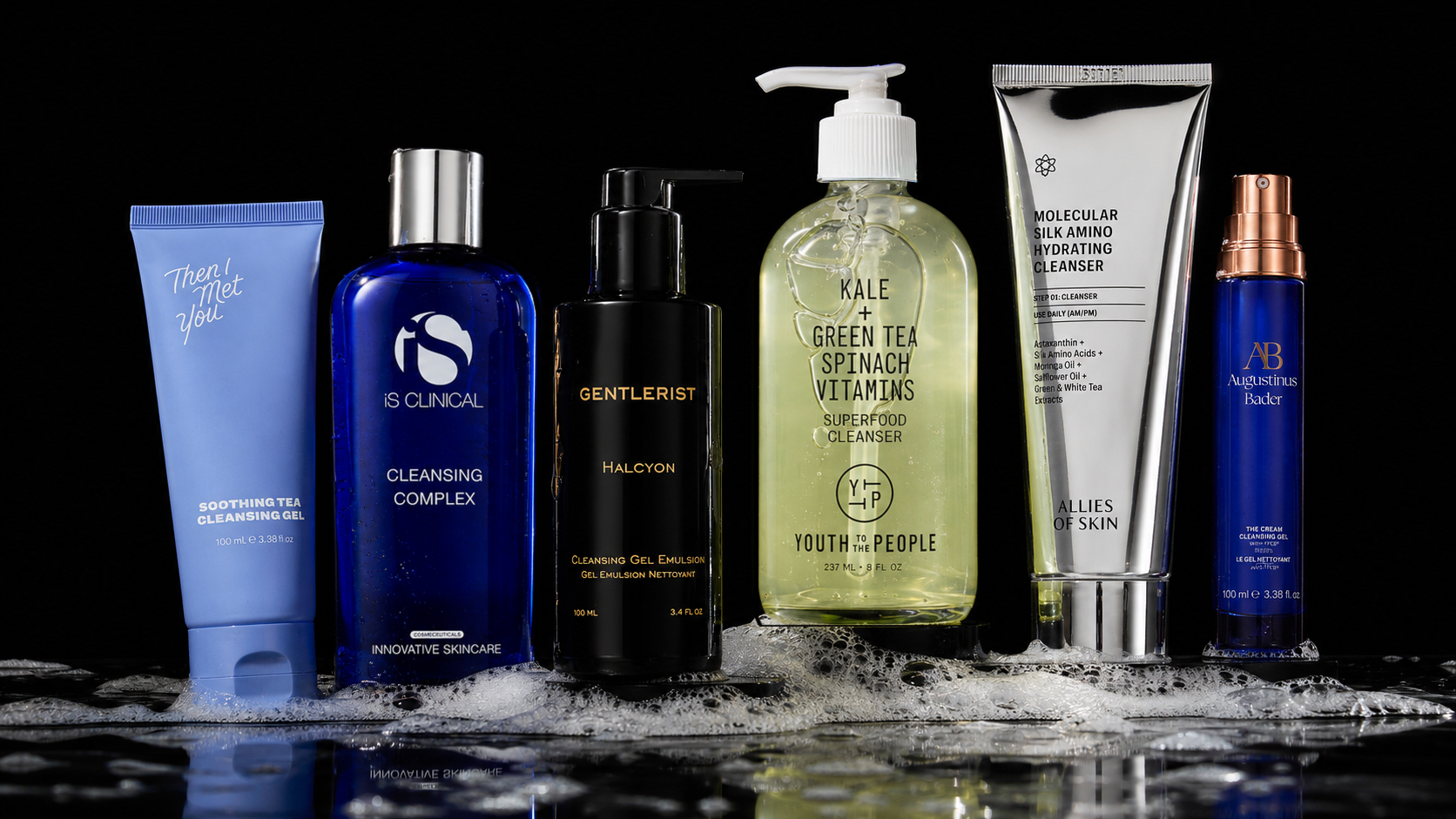
iS Clinical Cleansing Complex has been a treatment-room staple for years, and its staying power has little to do with novelty. It is simply one of the most dependable examples of a gel cleanser that feels thorough without turning cleansing into an endurance test for the barrier.
The formula relies on disodium laureth sulfosuccinate and cocamidopropyl betaine to remove oil, debris and makeup, with glycerin and PEG-30 glyceryl cocoate helping to soften the wash. Sugarcane and willow bark extracts give the cleanser a mildly surface-refining character, while green tea, chamomile and the key compounds associated with centella asiatica provide antioxidant and soothing support.
iS Clinical describes the sugarcane and willow components as AHA and botanical BHA sources. It is worth keeping the format in perspective: this is not the equivalent of a leave-on acid treatment, nor should it be. In summer—when UV exposure, heat and travel can already make skin less predictable—that restrained clarifying action is part of the appeal. The cleanser leaves combination skin feeling properly clean around the nose, chin and hairline without making the cheeks pay for it.
Why we chose it: Cleansing Complex occupies a useful middle ground between a basic daily wash and an more congestion-focused cleanser. It has enough cleansing power for sweat, excess oil and ordinary sunscreen, but it avoids the medicated feel and daily intensity of many “pore” formulas. The light citrus scented, clear gel is also easy to use around facial hair and doubles as a shaving gel.
The most useful thing about the Allies of Skin Molecular Silk Amino Hydrating Cleanser is not its unusually long name. It is the way the formula bridges two categories: it has the cushion and conditioning ingredients expected from a hydrating cleanser, but it removes sunscreen with the conviction of a traditional foaming wash.
Safflower, moringa and sunflower oils, along with coco-caprylate/caprate, help loosen oil-soluble residue when the gel is massaged onto dry skin. Add water and the formula begins to foam, allowing its blend of cleansing agents to carry away sunscreen, makeup and sebum. Glycerin, sodium hyaluronate, lecithin and a richer concentration of silk amino acids address the tight finish that can follow a stronger cleanse. Green and white tea, astaxanthin and ethylated vitamin C round out the antioxidant system, though the formula’s real success is its oil-to-foam cleansing architecture rather than any promise that a rinse-off product will replace a serum.
This produces more lather than its “hydrating” positioning might suggest. Sodium C14-16 olefin sulfonate gives the wash real detergency, while amphoteric surfactants, oils and humectants help temper the after-feel. Very dry or highly reactive skin may still prefer the nearly foam-free Augustinus Bader formula below.
Why we chose it: This is the strongest one-step candidate in the group for a day of heavy makeup and sunscreen. For waterproof eye makeup or a water-resistant sport SPF, apply a dime-sized amount to dry skin, massage, then add water before rinsing.
Many cleansers build a familiar formula around water, surfactants, glycerin and a small group of extracts. Halcyon begins differently. Its base is composed of rose hydrosols, aloe juice and a botanical infusion prepared in thermal water, followed by amaranth amino acids and glycerin before the primary cleanser, sodium cocoyl isethionate, appears. Sorbitan oleate supports the emulsion and helps the gel remove daily buildup without relying on a large surfactant load.
The rest of the formula reads closer to a treatment than a conventional face wash: rice and plant-derived collagen peptides, L-proline, red marine algae, green tea, reishi, gotu kola, a stable vitamin C derivative, vitamin E, ferments and fruit enzymes. Those ingredients should still be understood within the limits of a rinse-off step. What makes Halcyon compelling is that they are integrated into the structure and skin feel of the cleanser rather than scattered at the end of an otherwise ordinary base.
The result is “serum in formula, cleanser in function”: enough light lather to remove sweat, sebum, pollution and everyday SPF, with the slip and conditioned finish of a gel emulsion. It is especially well suited to anyone who dislikes aggressive foam but finds many cream cleansers too filmy for humid weather.
Why we chose it: Halcyon is the most formula-dense cleanser in this edit and the clearest example of cleansing treated as part of the skincare routine rather than merely preparation for it. One pump is sufficient, and adding a little water keeps the emulsion moving during a longer facial massage. Those with purist green beauty standards will be glad to know this aces it with flying colors.
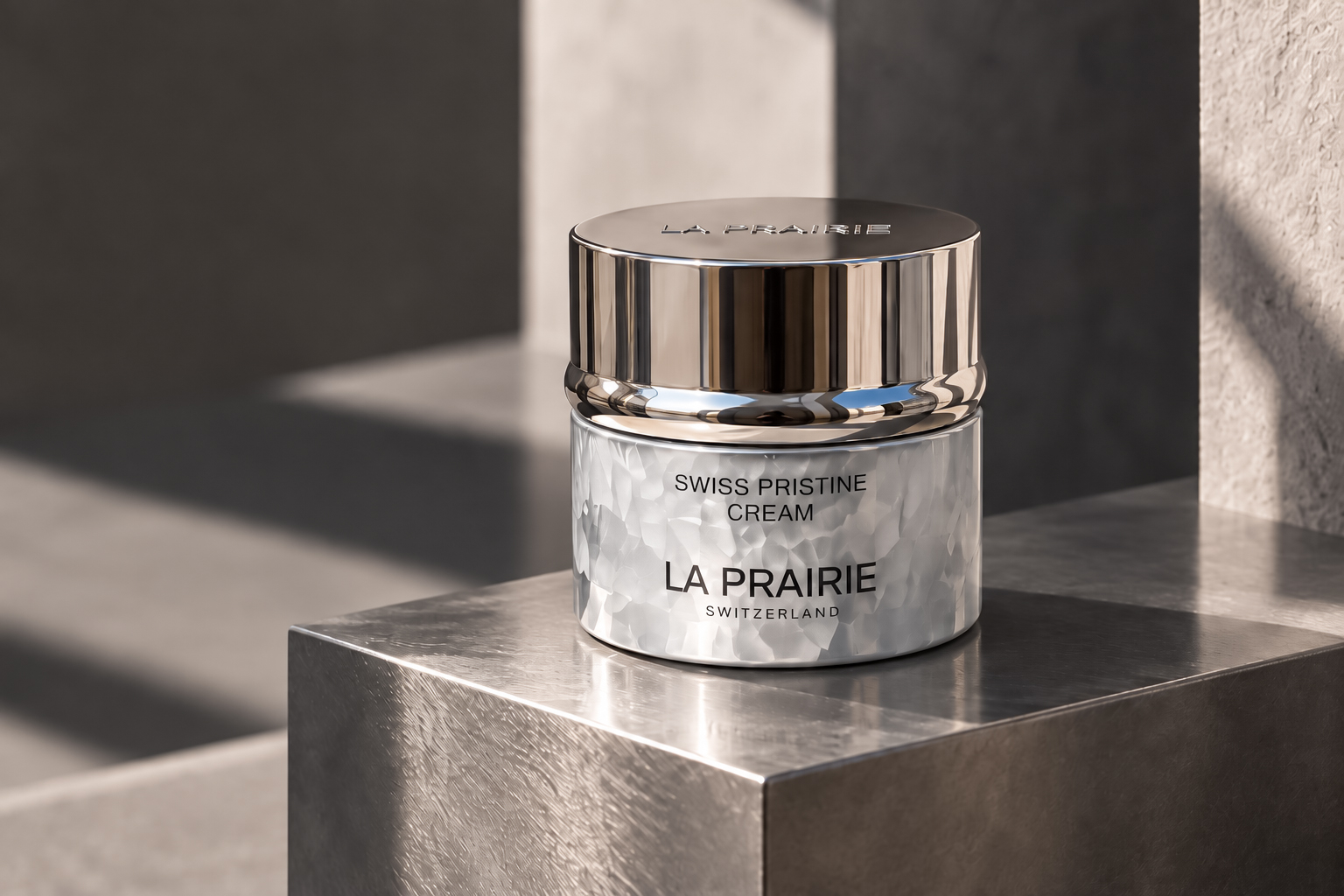
The ingredient list makes the strongest case for Augustinus Bader’s Cream Cleansing Gel. Glycerin is second, sweet almond oil is third and rose flower water follows, all appearing before the two principal cleansing agents: disodium cocoyl glutamate and coco-glucoside. That order helps explain why the formula feels closer to a light cleansing emulsion than a conventional face wash.
Sweet almond and sunflower oils replenish emollience; cucumber, aloe and green tea support a calmer after-feel; and hydrolyzed rice protein adds a conditioning component. The brand’s proprietary TFC8 complex—a blend built around amino acids, vitamins, lipids and a peptide—appears here as it does throughout the Augustinus Bader range. In a cleanser, however, the most persuasive luxury is the well-constructed base: fragrance-free, low-foam and designed to leave very little sense that the skin has been degreased.
Why we chose it: This is the cleanser for the person who has already learned that “deep clean” is not a useful sensation for dry or reactive skin. It is particularly good in the morning, as the second half of a double cleanse or during periods when retinoids, acids, sun and air-conditioning have made skin feel less tolerant. The tradeoff is equally clear: it is the most expensive cleanser here and not the one we would choose to tackle a full layer of water-resistant sunscreen on its own.
Youth to the People’s Superfood Cleanser is the practical overachiever of the list. At 237 mL, the pump bottle holds over twice the volume of several prestige cleansers here; the gel rinses quickly and the lather feels satisfying after a humid commute or workout without veering into old-fashioned soap territory.
In the current formula, cocamidopropyl hydroxysultaine and sodium cocoyl glutamate perform the primary cleansing work. Aloe, panthenol and glycerin help preserve comfort, while kale, spinach, green tea, alfalfa and chamomile give the cleanser its recognizable “green juice” profile. The botanical blend adds antioxidant support and sensorial identity, but the reason to buy this cleanser is simpler: it is an efficient, easy-to-rinse gel at a comparatively good cost per ounce.
Why we chose it: This is the bottle we would place in a shower or gym bag routine for someone whose skin gets oilier in summer. It clears sweat, sebum and light product buildup without requiring a complicated method, and the refill format makes sense for frequent users. The current formula does contain fragrance and the fragrance allergen hexyl cinnamal, so very fragrance-reactive skin should look to iS Clinical or Augustinus Bader instead. Cleansing after a heavy sweat is sensible; repeatedly washing in pursuit of a matte finish is not.
Then I Met You’s Soothing Tea Cleansing Gel is explicitly designed as the water-based second step in a Korean double cleanse, which gives it a particularly clear role in a summer routine. A balm or oil takes apart makeup and water-resistant sunscreen first; this gel follows to remove sweat, city grime and the residue that remains.
Fermented rice filtrate is the second ingredient—an unusually prominent placement for the formula’s hero story—and glycerin is third. A blend of sulfosuccinates and potassium cocoyl glycinate creates the cleanse, while sorbitol, diglycerin, sodium hyaluronate and panthenol support a softer finish. Gluconolactone supplies gentle PHA activity, and licorice, green tea, centella and willow bark give the formula a calming, lightly clarifying profile that makes sense for humid weather and pores that become more temperamental in it.
Why we chose it: Plenty of Korean gel cleansers deliver a skin-compatible pH at a lower price. This one earns the prestige slot through formulation detail, texture and the concentration of fermented rice water—not simply its K-beauty credentials. It is a polished second cleanse for someone who wants pore care without reaching immediately for a salicylic-acid wash. The aromatic formula includes chamomile and thuja oils, so it is not the best choice for anyone who needs a strictly fragrance-free routine.
Thirty to sixty seconds of gentle massage is generally enough. Use tepid water, work around the nose, hairline and jaw—places where sunscreen and makeup often escape the first pass—and let the formula do the work instead of adding pressure or a cleansing brush.
On light-product days, one of these gels may be all that is needed. On days involving water-resistant SPF, beach makeup or several sunscreen reapplications, begin with a cleansing oil, balm or micellar product and follow with the water-based cleanser best suited to your skin. That pairing removes a persistent film without forcing the second cleanser to be harsher than it should be.
The right summer cleanser should leave no mystery about whether the day has come off, but it should also leave very little evidence that cleansing happened at all: no tightness, no squeak and no urgent need to compensate with the rest of the routine.
I’m sharing exactly what’s going on with the basement design project
right now and what’s happening next.