No products in the cart.
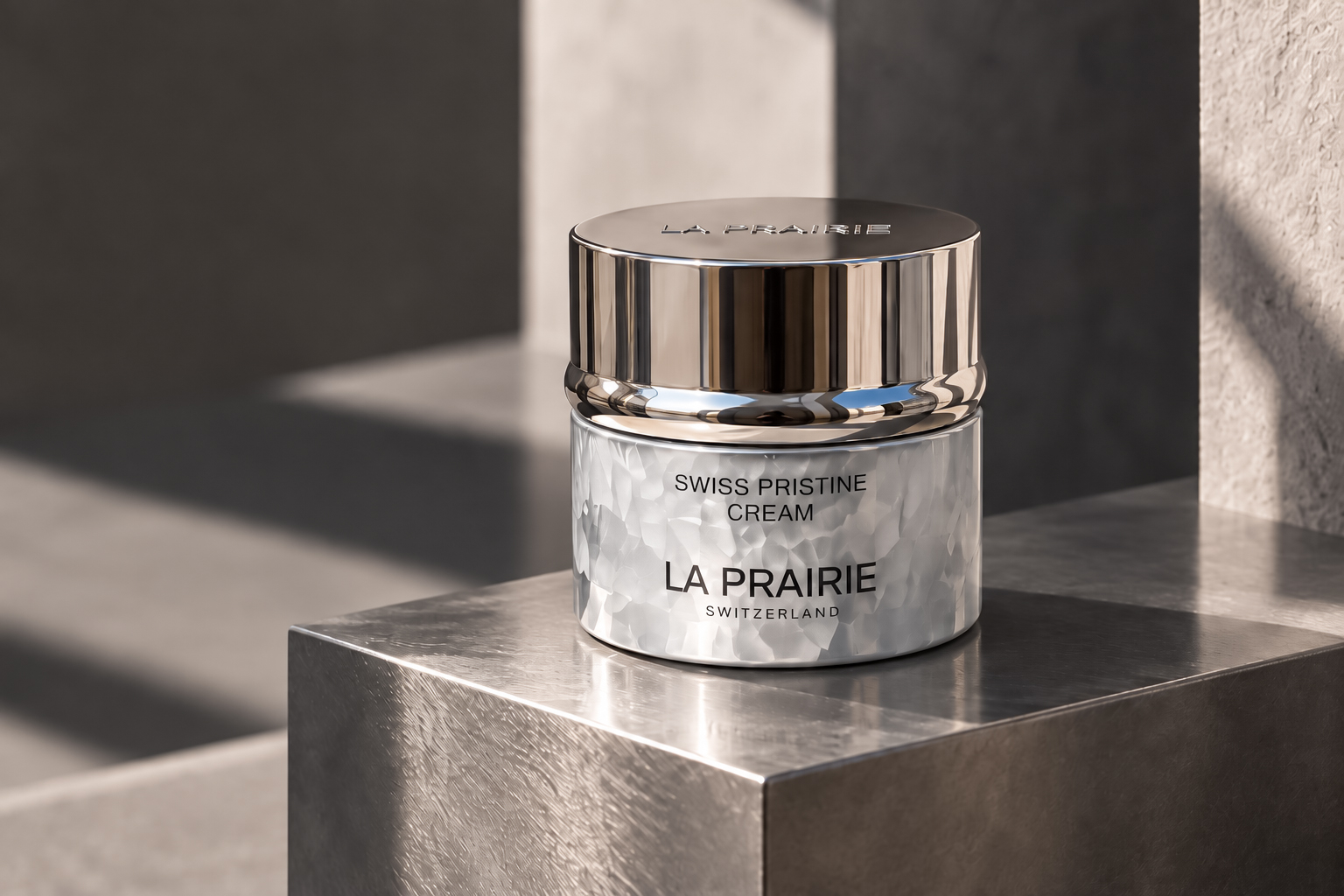
Review: Can La Prairie’s New Swiss Pristine Cream Modernize The Brand?
Is La Prairie’s Swiss Pristine Cream worth the luxury price tag? We test the brand’s first major launch in 13 years to see if


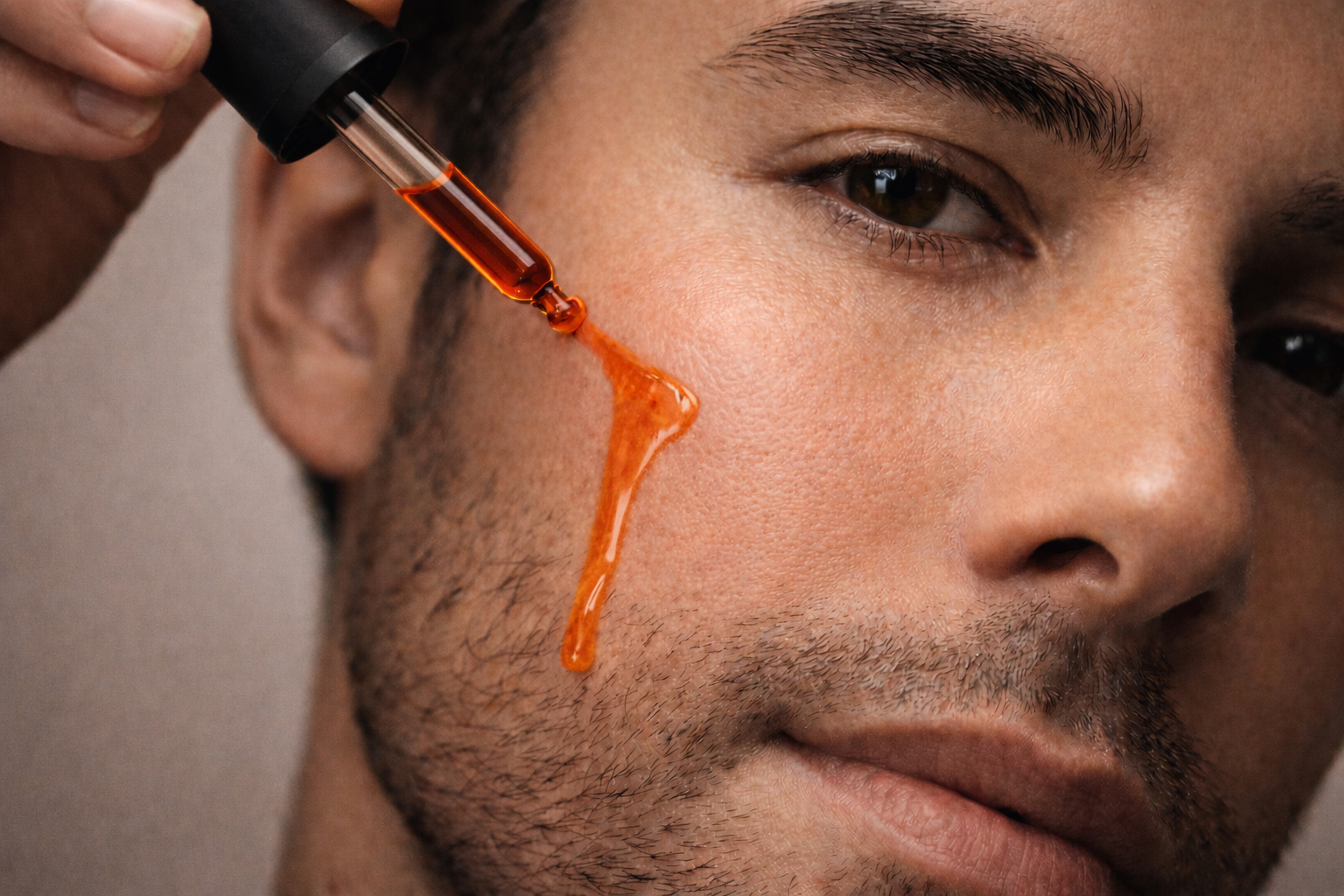
There’s a shift happening in skincare. Performance remains the baseline, but where that performance is coming from is starting to change. Increasingly, it’s being delivered through biologically active plant systems—ingredients that don’t position themselves as traditional actives, yet behave like them in function, outcome, and interaction with the skin.
Carotenoid-rich oils sit at the center of that shift. They support renewal, improve tone, and engage pathways associated with Vitamin A, while remaining fully compatible with the skin’s lipid structure. The result is visible activity delivered without the volatility typically associated with high-intensity treatments.

Carotenoids are the compounds responsible for the saturated hues found across the plant world—burnt orange, deep amber, vivid red. Beta-carotene, lycopene, and related molecules exist in plants as protective pigments, shielding against environmental stress, UV exposure, and oxidative damage.
When translated into skincare, that protective function carries over—but with a more complex biological relevance.
On skin, carotenoids don’t operate as direct retinoids, but they intersect with similar pathways. Certain carotenoids, particularly beta-carotene, can be enzymatically converted into forms of Vitamin A within the body, while others influence how the skin responds to oxidative stress and cellular signaling. The result is a category of ingredients that supports many of the same outcomes associated with Vitamin A—improved tone, enhanced renewal, and stronger, more resilient skin—without behaving like traditional retinoids in terms of irritation.
They also function as potent antioxidants. By neutralizing reactive oxygen species generated by UV exposure, pollution, and general metabolic processes, carotenoids help preserve collagen integrity and reduce the cumulative damage that leads to visible aging.
As cosmetic chemist Perry Romanowski explains on The Beauty Brains, antioxidants in skincare work by interrupting oxidative chain reactions in the skin—slowing the processes that contribute to collagen breakdown and visible aging over time. This framing is particularly relevant for carotenoids, which are among the more biologically active antioxidant compounds used in topical formulations.
This dual role—antioxidant protection paired with Vitamin A–adjacent activity—is what gives carotenoid oils their distinctive performance profile.
It also explains their visible effects.
Oils such as rosehip and sea buckthorn are among the most well-known carriers of these compounds. These oils illustrate the broader function of carotenoid systems in skincare.
They brighten—not through exfoliation, but through improved cellular function.
They improve elasticity—not by coating the skin, but by preserving and supporting its underlying structure.
They support regeneration—not by forcing turnover, but by enabling the conditions in which renewal can occur more effectively and naturally.
In that sense, carotenoid oils don’t replace active retinol. They operate alongside them—or increasingly, in place of them—by working with the skin’s biology rather than overriding it.

If carotenoid oils are having a moment, it’s not because of a single ingredient. It’s because a small group of plant-derived oils and extracts—each with a distinct biological role—are beginning to be understood as part of a broader functional system rather than interchangeable “face oils.”
Each brings something different to the table.

Rosehip sits at the center of the carotenoid conversation. Often treated as a staple, it’s better understood as one of the most complete examples of a regenerative plant oil.
What it does:
How it behaves:
In essence:
Rosehip functions as a regenerative daily oil—delivering many of the visible benefits associated with retinoids, but through a slower, more skin-compatible pathway.

If rosehip pushes the skin forward, sea buckthorn brings it into comfort.
What it does:
How it behaves:
In essence:
Sea buckthorn is a restorative oil—focused less on accelerating change and more on rebuilding strength, comfort, and structural integrity in the skin.
Carrot-derived oils are less about being the star—and more about intensifying everything around them.
What it does:
How it behaves:
In essence:
Carrot acts as a concentration tool—amplifying the effectiveness of a formulation rather than defining it.

This is where carotenoids begin to align with modern environmental skincare.
What it does:
How it behaves:
In essence:
Tomato-derived carotenoids represent a more modern evolution—focused on protecting the skin within today’s environmental conditions rather than simply restoring it.
And it’s this interplay—between regeneration, restoration, and protection—that defines the true potential of carotenoid oils.
Carotenoid oils don’t exist in a single format—and that’s part of what makes the category so compelling.


At one end, there are single-oil expressions. Rosehip oils from brands like Pai Skincare or Trilogy have built enduring followings around the purity and clarity of a single ingredient. The appeal is direct: transparency, potency, and a clear expression of what that oil can do on its own.
But beyond that, single oils also function as boosters. They can be layered into an existing routine—added to a moisturizer, pressed over a serum, or used in targeted ways to introduce a specific function, whether that’s regeneration, restoration, or antioxidant support, without overcomplicating the system.
That same clarity is evolving within the category itself. Newer interpretations—such as rosehip-focused formulations from Gentler Essentials—are beginning to explore what a more complete version of a single oil can look like. Not just cold-pressed seed oil, but multi-part extractions that incorporate both seed and fruit, capturing a fuller spectrum of carotenoids, lipids, and supporting compounds. It remains a singular ingredient story—but one that’s becoming more dimensional in how it’s expressed.
Sea buckthorn exists across that same spectrum. It can stand entirely on its own, as seen in brands like MyHavtorn, or act as the defining force within a blend, as with Living Libations—where its density and restorative character shapes the overall composition.
And then, naturally, they begin to come together.
Rosehip contributes a regenerative function.
Sea buckthorn supports restoration and repair.
Carrot-derived inputs elevate overall carotenoid activity.
Lycopene-rich sources add a layer of environmental defense.
You don’t have to choose between them.
In fact, many of the most interesting formulations are built on the idea that you shouldn’t.
Because once combined, these oils stop behaving like isolated ingredients and start functioning as a coordinated system—each one reinforcing a different aspect of skin health while supporting the others.
Supporting lipids—ceramides, phospholipids, and structurally similar fatty acids—play a critical role here. They help carry and stabilize carotenoids, improving delivery while reinforcing the skin barrier itself. The result is not just more activity, but more usable activity—better integrated into the skin’s own structure.

This approach is increasingly visible across high-performance oils. Venn Multi-Perfecting Red Oil centers its identity around carotenoid-rich inputs within a KBeauty system, while Vintner’s Daughter Active Botanical Serum incorporates rosehip and carrot-derived components within a broader phytonutrient composition. Even Augustinus Bader’s Face Oil integrates carotenoid-rich ingredients such as carrot root, signaling how embedded these compounds have become in performance-driven formulations.

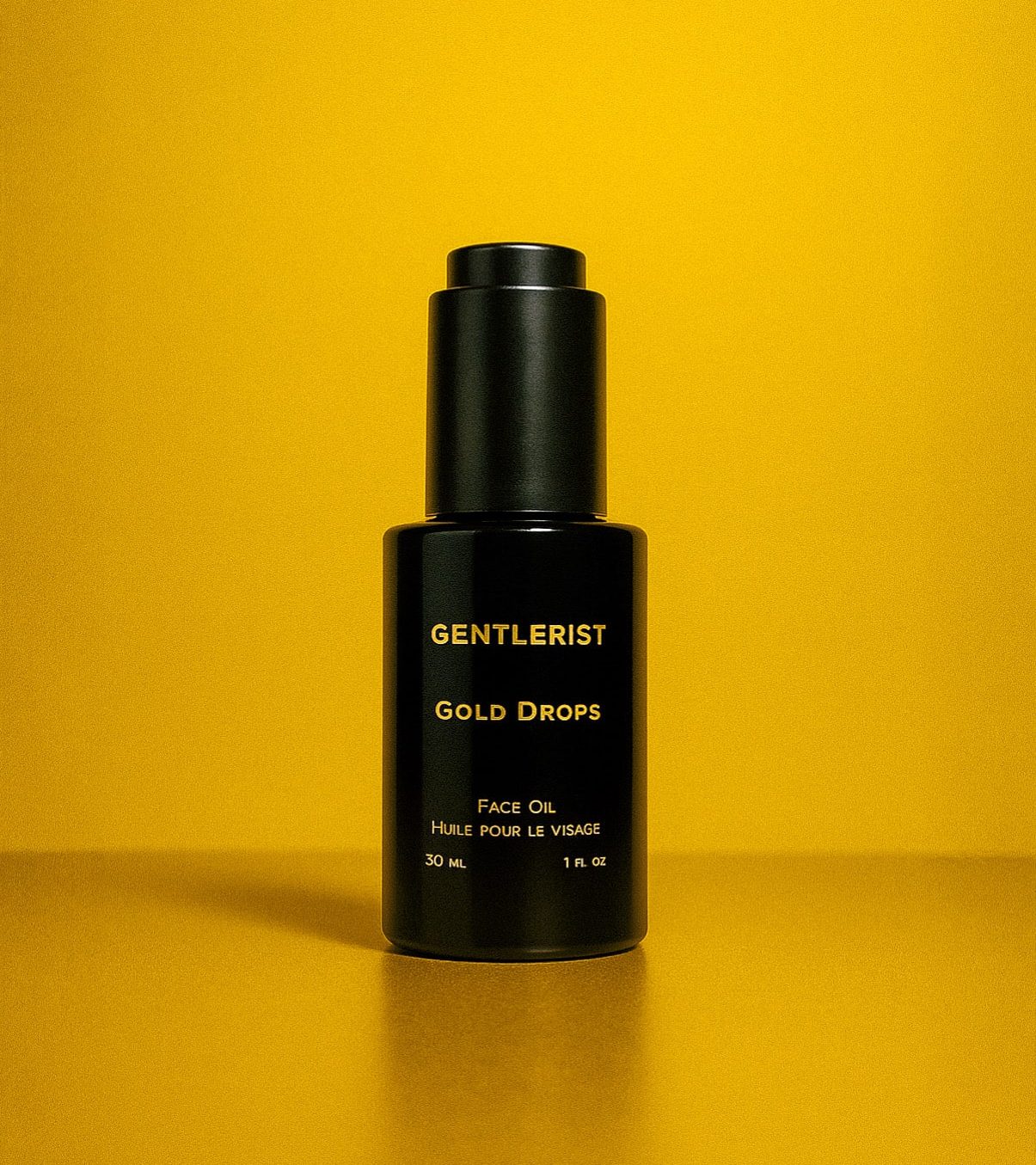
Within this landscape, some oils are explicitly built around this kind of interplay. Gentlerist’s Gold Drops combines a broad-spectrum of carotenoids with rosehip, sea buckthorn, carrot, and tomato-derived inputs within a multi-lipid structure designed to deliver both regeneration and protection. Modern Alchemist approaches it from another angle—pairing a carotenoid-rich base of rosehip and sea buckthorn with a bio-retinol complex that includes algae-derived carotenoids and bakuchiol, bringing multiple Vitamin A–adjacent pathways into a single system. Here, highly potent naturals produce a synergy that rivals retinol.
What emerges isn’t a hierarchy, but a spectrum of use.
Single oils offer clarity and flexibility—used on their own or as targeted boosters within a routine. More complex formulations explore synergy—layering multiple carotenoid sources and lipid structures to create a broader, more adaptive response.
Both approaches exist side by side—less as alternatives, and more as different ways of working with the same underlying biology.
Carotenoid oils stand out because they occupy a rare intersection in skincare—one that is increasingly difficult to find. They are visible and tangible, expressed through the depth of their color and the way they register immediately on the skin. That presence creates a direct connection between application and effect, making their activity easier to perceive.
They are also functional. Carotenoids contribute antioxidant protection, support regenerative processes, and play a role in improving tone, texture, and overall skin resilience. Their effects are not instantaneous, but they are cumulative and trackable over time.
At the same time, they are biological. Their relevance is grounded in their relationship to Vitamin A pathways, oxidative processes, and the skin’s own repair mechanisms, rather than constructed through positioning alone. This gives them a level of credibility that extends beyond surface-level claims.
This convergence—of visibility, function, and biological relevance—gives carotenoid oils a sense of weight. They offer a form of performance that is both perceptible and grounded in how the skin actually works.
At a time when skincare can feel either overly abstract or overly aggressive, they provide an approach that feels integrated. Active, but not disruptive. Substantive, but not overbuilt.
That balance is what makes them resonate—and why they continue to hold relevance in a category that is constantly shifting.
The Essential Health & Wellness Edit for the Modern Man