Let’s Talk About Red Light Therapy: Are You Using Your LED Mask All Wrong?
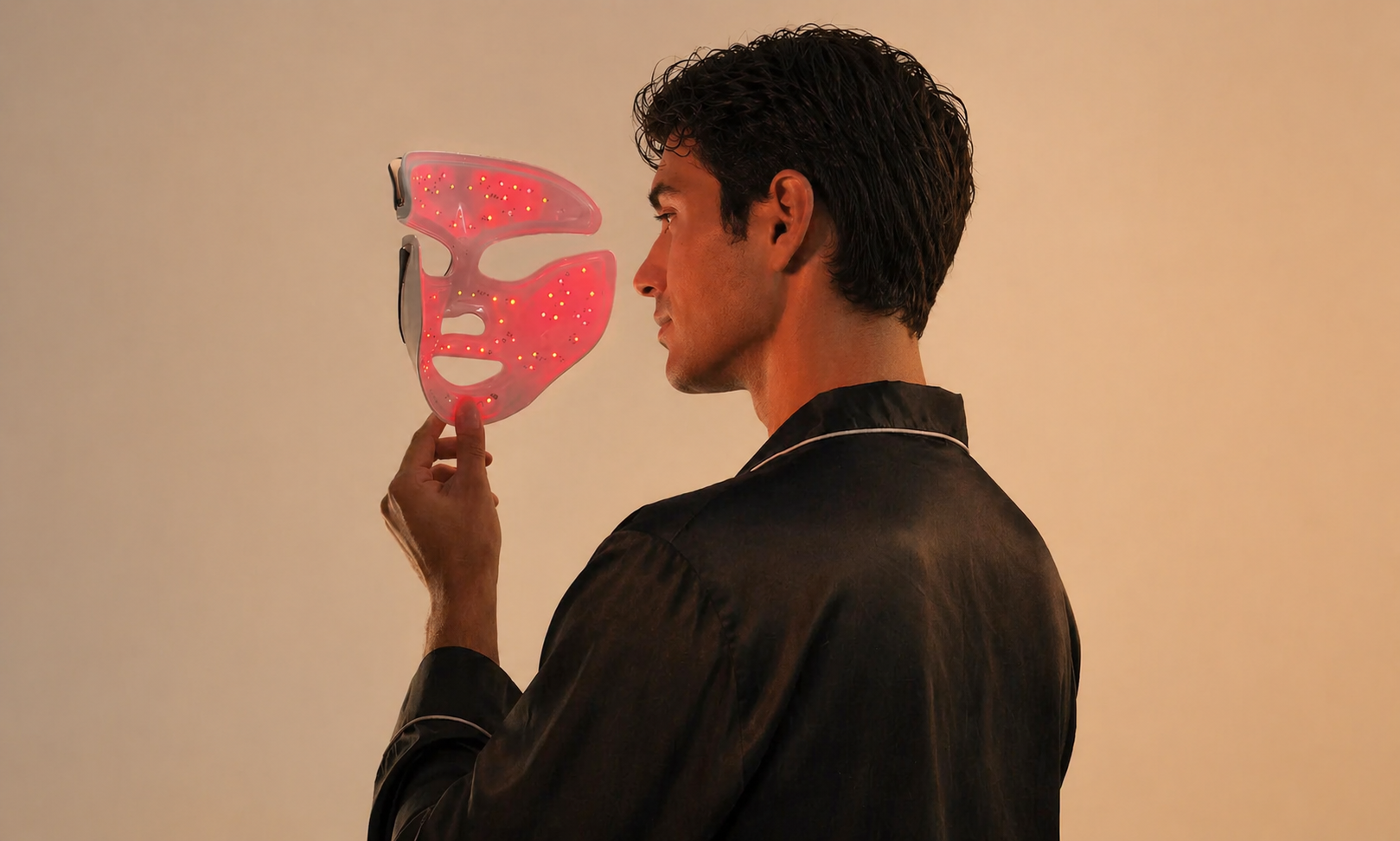
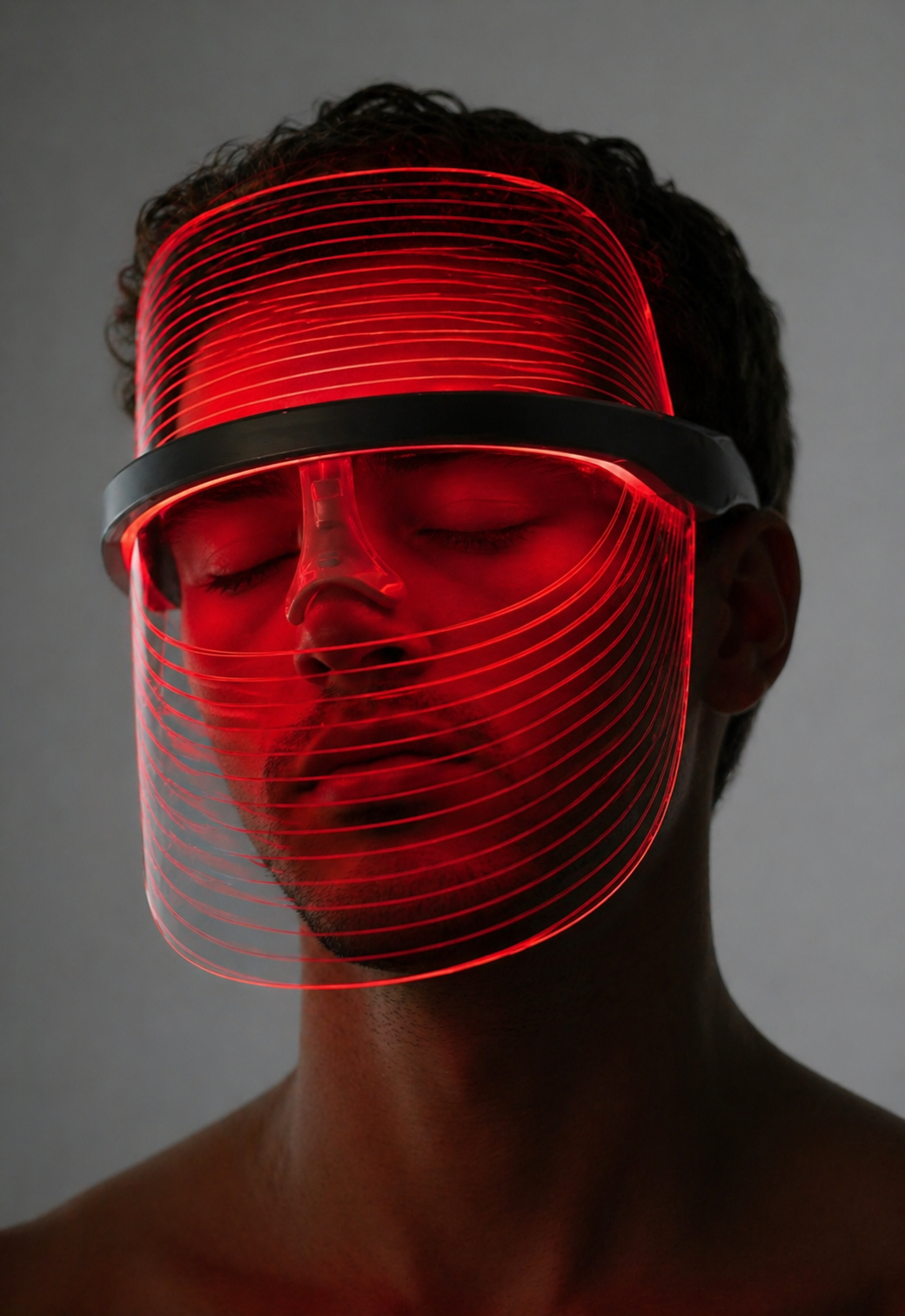
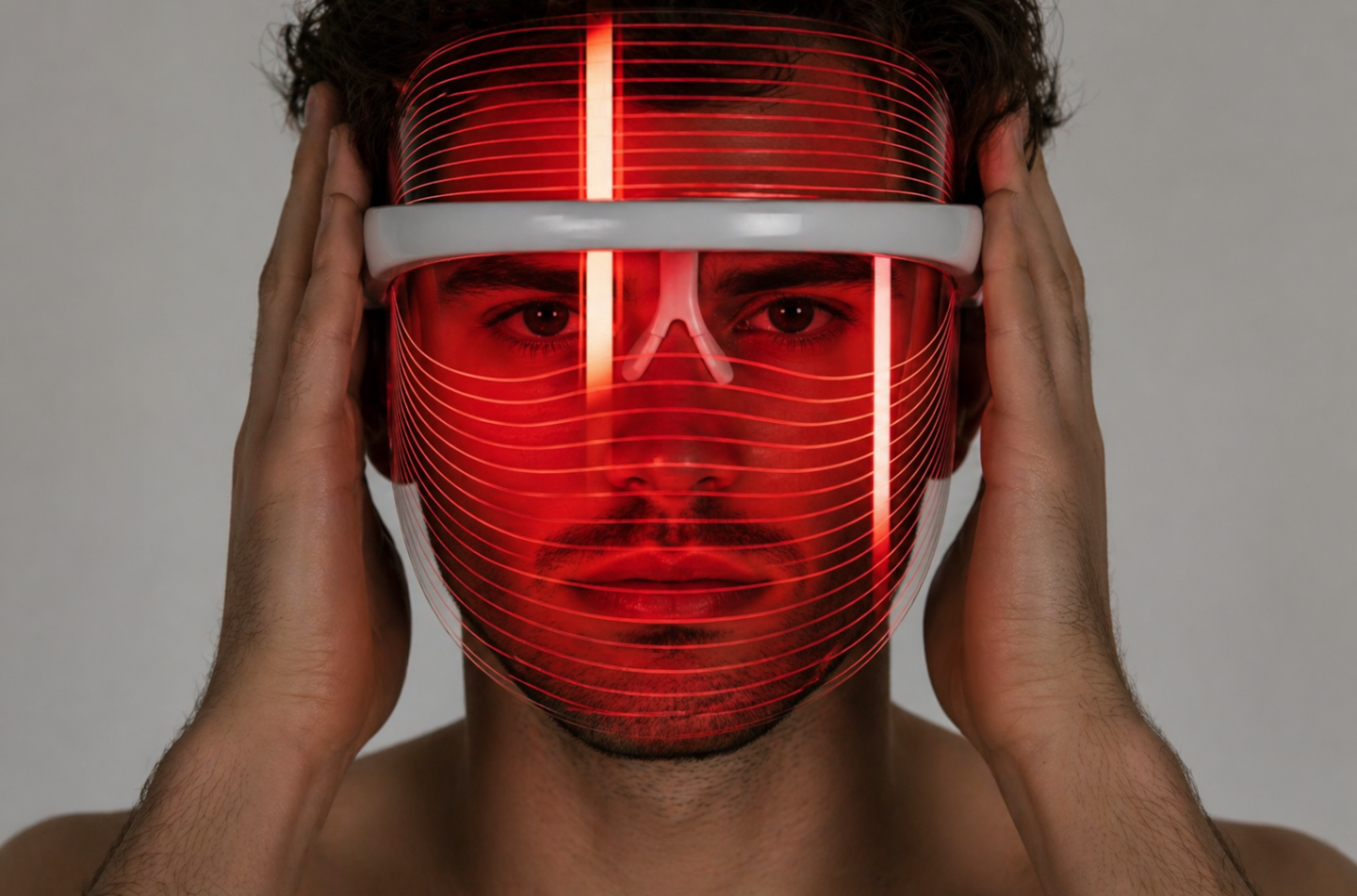
Red light therapy has officially crossed over from professional treatment into becoming an everyday tool. What once lived exclusively in dermatologists’ offices, with price tags to match, now occupies bathroom shelves in the form of glowing masks, wands, neck panels, and light-up contraptions that look like props from a near-future film. The global market for these devices was valued at $350 million in 2024 and is expected to hit $620 million by 2031. Everyone, it seems, is using one. The real question is whether we’re using it correctly.
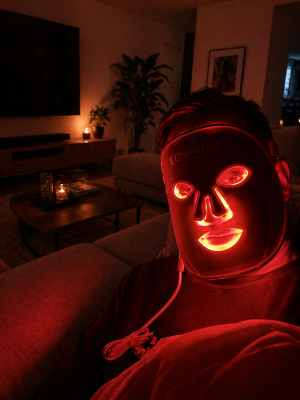
Full disclosure: for the first year I owned an LED mask, I was doing exactly what most people do. I’d wash my face, strap the thing on, and count down ten minutes until I could get to bed. It wasn’t until I started asking dermatologists and skin scientists more specific questions that I realized how much the official instructions were leaving out. Timing matters. Layering matters. The state of your skin barrier matters. What you put on before and after your session can either amplify results or quietly undo them. None of that is on the box.
So let’s go through it properly.
What Red Light Is Actually Doing to Your Skin
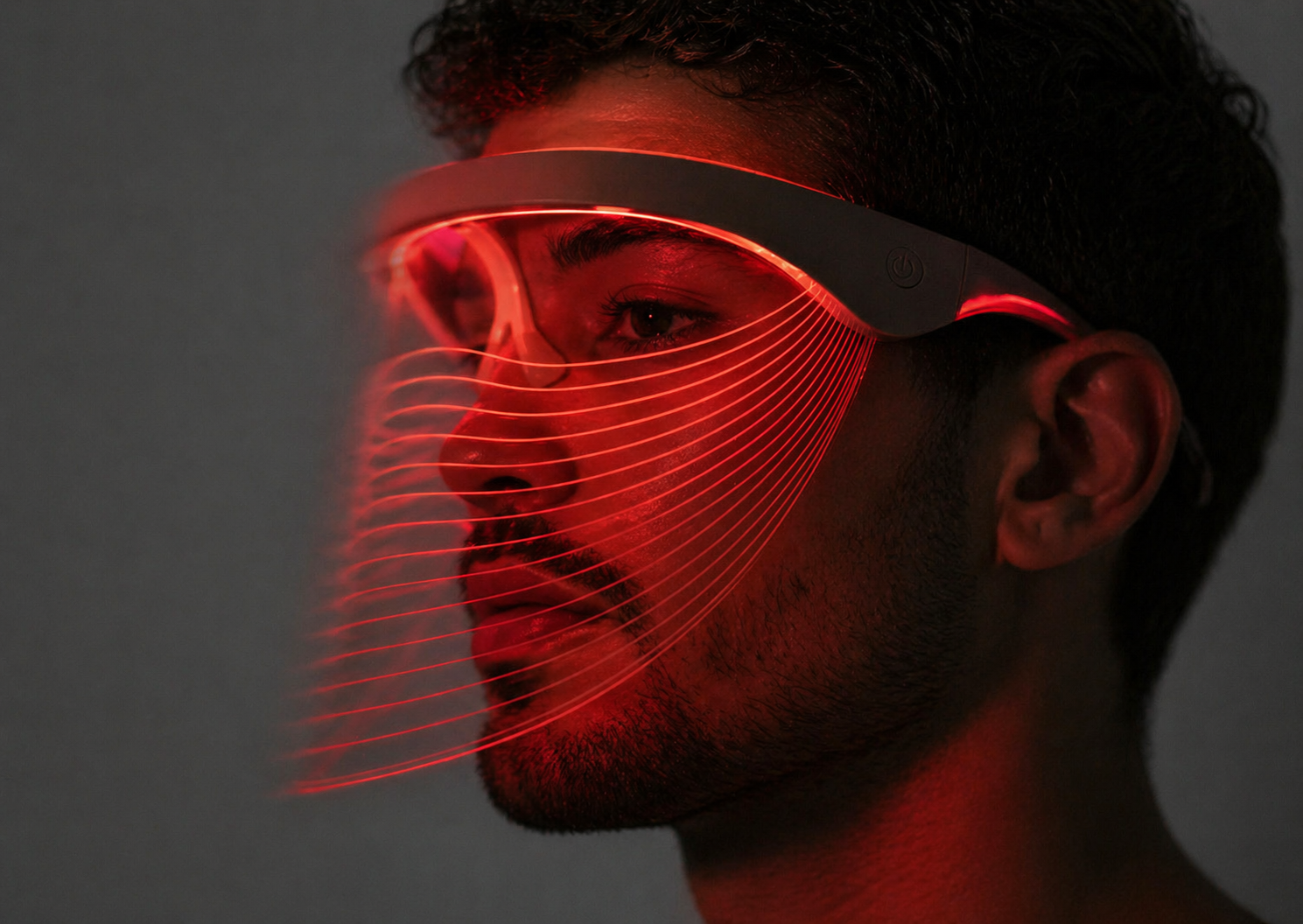
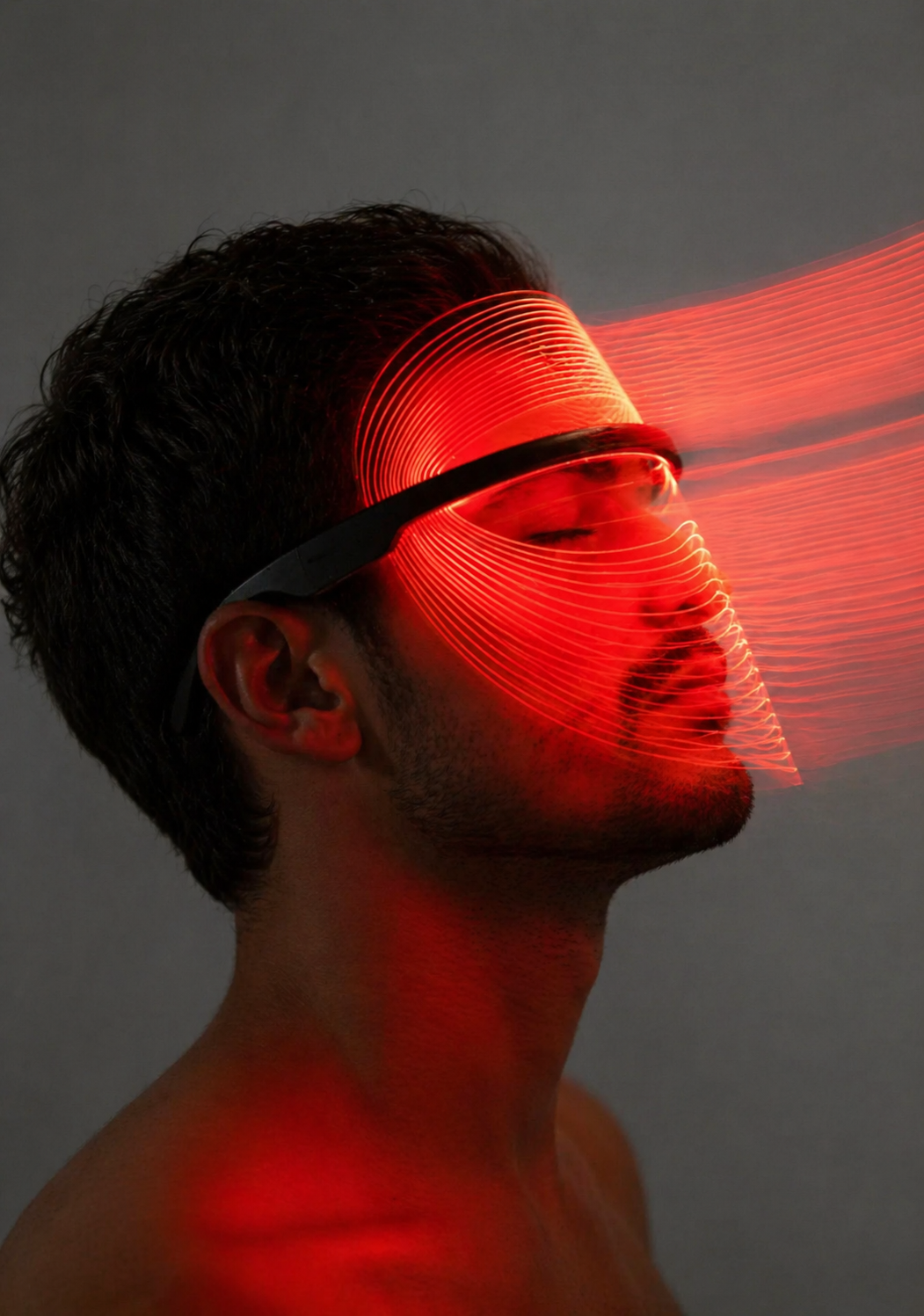
Understanding why LED therapy works is the first step toward using it correctly. The mechanism is called photobiomodulation, and it describes something genuinely elegant: specific wavelengths of light penetrate the skin at varying depths and trigger biological responses at the cellular level. Red light, typically in the 630 to 680 nanometer range, reaches the dermis and stimulates mitochondrial activity in fibroblasts, the cells responsible for collagen and elastin production. “Red LED light has been shown to stimulate the fibroblast, a cell that plays a role in collagen production, which could help reduce signs of photoaging and improve fine lines and wrinkles,” explains board-certified dermatologist Dr. Reshmi Kapoor. Over consistent use, that cellular activity translates to improved texture, reduced inflammation, and measurable firming.
Near-infrared light, which sits just outside the visible spectrum, goes deeper still, supporting circulation and tissue repair. Blue light stays closer to the surface, where it targets Cutibacterium acnes through a photochemical reaction that disrupts the bacteria without antibiotics or harsh topicals. Multi-wavelength devices like the Dr. Dennis Gross DRx SpectraLite FaceWare Pro and the Omnilux Contour Face address several of these pathways simultaneously, which accounts for much of their appeal.
Dr. Zakia Rahman, clinical professor of dermatology at Stanford, offers a grounded summary of where the science actually stands: “There’s real evidence that shows red light can change biology. But that’s not the same as saying it’s some kind of panacea for many different health conditions.” That distinction matters more than most LED marketing would suggest.
Get Your Timing Right
Here is something almost no device manual addresses: when you use your LED mask may matter as much as how often you use it. A growing body of research is investigating the relationship between red light exposure and cortisol production, and the results are worth paying attention to, even if the picture isn’t yet complete.
Cortisol follows a precise daily arc, peaking in the morning to mobilize the body and dropping to its lowest point at night ahead of sleep. Some studies have found that red light exposure at night can pull cortisol back up toward daytime levels, which could interfere with sleep quality. The critical caveat, however, is that the light intensities used in those studies far exceed what any consumer-grade mask produces. Still, the general principle of circadian alignment is sound.
Dr. Nour Kibbi, clinical assistant professor of dermatology at Stanford, notes that the interplay between light, biology, and timing is more nuanced than current devices acknowledge. “If you look at any kind of function, there’s always a circadian difference. It’s whether it’s meaningful to the individual or not.” From a practical standpoint, the strongest evidence points toward blue and green wavelengths being more suitable for daytime use, given that both are known to be energizing, while red light aligns more naturally with evening wind-down. If using a full-spectrum device, finishing your session at least 30 to 45 minutes before bed is a reasonable buffer.
On frequency, Dr. Rachel Reynolds, interim chair of dermatology at Beth Israel Deaconess Medical Center and assistant professor at Harvard Medical School, offers the clearest framing: “For the devices to be effective, they must be used multiple times a week for four to six months. It’s slow and steady. It’s not going to be anyone’s quick fix.” Three to five sessions per week, maintained consistently over months, produces meaningfully better results than intensive daily use followed by burnout and abandonment. The biology here has saturation points, and exceeding them wastes time without adding benefit.
Think About Ingredients, They Matter
This is where the majority of LED routines either excel or fail. The skin is most receptive to light therapy when its barrier is intact and its baseline inflammation is low, which means what you put on your skin immediately before and after a session has a direct impact on what you get out of it.
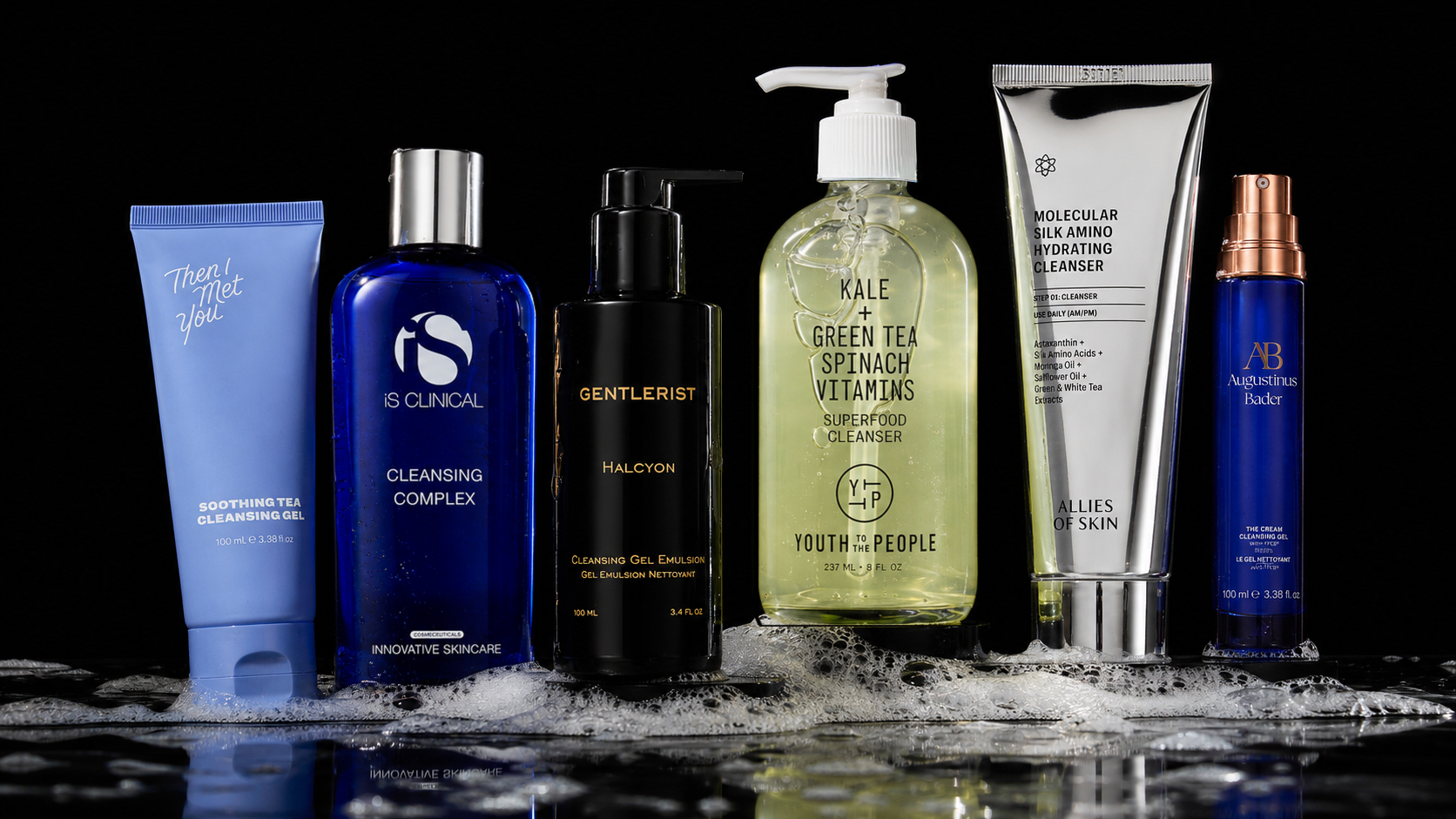
Before your session, the objective is clean, receptive skin with no active ingredients competing for attention. A gentle, non-stripping cleanser is sufficient. Products containing retinoids, AHAs, BHAs, or benzoyl peroxide should be skipped on LED days, or at minimum applied after the session ends. The issue isn’t dramatic harm. It’s overstimulation: light therapy is itself a controlled cellular stimulus, and stacking it with barrier-disrupting or exfoliating actives creates cumulative skin stress without adding proportional benefit.
A lightweight hydrating mist applied before treatment, however, is a genuinely useful addition. Formulas built around hydrosols rather than plain water tend to perform particularly well here, delivering water-soluble plant actives that help stabilize the skin and keep low-grade inflammation in check. Alcohol-free bases are equally important, avoiding the kind of transient dehydration or barrier disruption that can make skin more reactive going into LED.
Gentlerist Cocoon Dew ticks the boxes, pairing botanical hydrosols with humectants like snow mushroom extract and microbiome-supportive components to maintain baseline skin stability without adding occlusion.
Its inclusion of green tea is particularly relevant in the context of LED. Red light exposure induces a transient increase in reactive oxygen species, which functions as a signaling mechanism for collagen synthesis and repair. The challenge is not the presence of ROS, but managing their accumulation. EGCG, the primary catechin in green tea, has been shown to selectively neutralize excess oxidative species while preserving the signaling pathways that make photobiomodulation effective.
This interaction has been explored directly. A study published in Photomedicine and Laser Surgery documented a case in which the combination of topical green tea and 670nm red light produced accelerated visible improvements compared to light therapy alone, showing a boosted synergistic relationship.
In practice, this reframes preparation as part of the treatment itself. A mist applied to clean skin before a session does more than hydrate. It helps calibrate the environment the light is working within, supporting oxidative balance so that the signaling remains productive rather than excessive.
The takeaway is not to add complexity, but to align it. LED performs best in a controlled, supported environment—one where hydration, barrier integrity, and oxidative regulation are in place so the treatment can operate with precision.
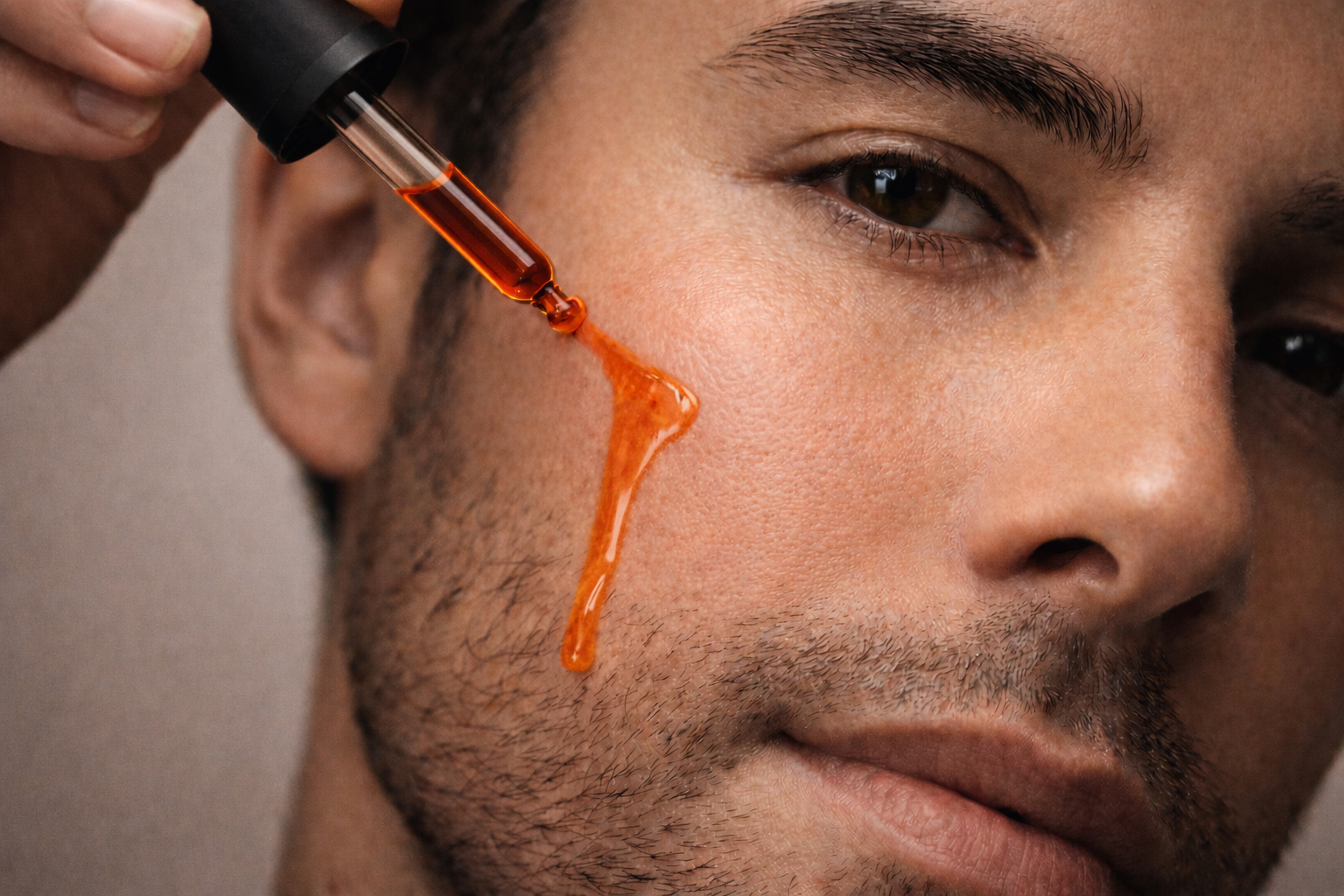
After your session is where the real opportunity for strategic layering lives. Skin is in a heightened state of cellular activity post-treatment, with increased receptivity to what lands on it next. Peptides are among the most rational choices at this stage. Signal peptides communicate with fibroblasts to stimulate collagen synthesis, which is essentially the same conversation red light was just having with those cells. Applying a peptide-forward serum, like the Allies of Skin Multi Peptides & GF Advanced Lifting Serum immediately after a session means arriving at precisely the right biological moment.
Formulas like Allies of Skin Multi Peptides & GF Advanced Lifting Serum exemplify this approach, combining multi-peptide complexes with growth factor signaling to reinforce collagen pathways already activated during treatment.
At the same time, hydration and recovery should not be treated as secondary. A well-constructed serum—such as Gentlerist Ambrosia Beauty Nectar—focuses on maintaining that receptive state while supporting regeneration. Built around a multi-weight hyaluronic network, it delivers hydration across different layers of the skin, while incorporating epidermal growth factors, antioxidant systems, and microbiome-supportive components to stabilize and reinforce the post-treatment environment.
After a serum, a barrier-repair moisturizer with ceramides, cholesterol, and fatty acids seals the work and supports overnight recovery. CeraVe Moisturizing Cream is the efficient, if unglamorous standard here. For something more elevated, Dr. Jart+ Cicapair Tiger Grass Cream addresses inflammation and barrier function in a single step. If you want to finish with an oil, squalane (Biossance makes an excellent single-ingredient version) functions as an occlusive layer that slows moisture loss without introducing any competing actives.
The Protocol That Works
The practical summary of everything above: before a session, clean skin with no sensitizing actives, a hydrating antioxidant mist like Cocoon Dew if you want to set up the green tea synergy, and nothing else. During the session, eye protection is non-negotiable regardless of what the packaging says about built-in shields. After the session, a peptide serum applied immediately while skin is most receptive, followed by barrier repair and optional occlusion.
On retinoids specifically: they aren’t incompatible with LED therapy, but they should live on separate nights. The same applies to glycolic acid, lactic acid, salicylic acid, and benzoyl peroxide. These are sequencing problems, not safety crises, and treating them as such keeps both actives and devices performing at their actual potential.
Before You Start
LED therapy is genuinely low-risk for most people, which is part of what makes it easy to recommend. It requires no downtime, causes no tissue damage, and produces no lasting sensitivity when used appropriately. That said, certain populations should proceed with more care or seek dermatologist guidance first. Those taking photosensitizing medications, including some antibiotics, oral isotretinoin, and certain psychiatric drugs, should consult a physician before beginning regular use. Conditions like lupus and porphyria may be contraindicated entirely. Darker skin tones should also be aware that some sensitivity to visible light is possible; as Dr. Reynolds notes, starting at lower intensities and building up gradually is the more considered approach.
One additional note worth emphasizing: the FDA clearance label on a device is not cosmetic. It signals that the device has been evaluated for safety and efficacy at the wavelengths it claims to emit. Given how many devices in this category make bold claims without meaningful validation, FDA-cleared designations from brands like Omnilux, CurrentBody, and Dr. Dennis Gross provide a meaningful filter when choosing where to invest.
The Takeaway
LED therapy works best understood as one component of a considered skin system rather than a standalone solution. Its real value lies in what it creates: a biological environment where collagen synthesis is active, inflammation is modulated, and skin is more receptive to the other products it encounters. When skin is less inflamed and better-energized at the cellular level, actives perform more efficiently, barriers function with greater integrity, and the cumulative results over months outpace what any individual product can deliver in isolation.
Beauty technology has a long history of arriving as the answer when it’s actually the infrastructure. The devices that earn a permanent place in a routine, rather than collecting dust after the initial novelty, are the ones that quietly make everything else work better. For LED therapy, that means pairing it with informed ingredient choices, giving it the consistency it requires, and not expecting the kind of dramatic transformation that no ten-minute light session, however well-timed, could ever reasonably deliver on its own.